
Happy Holidays to One and All!
By: Marjory Regan
Holidays are a time to enjoy your family and friends, or to ignore them. It depends on how you feel about the holidays and your friends and family.
If you become stressed and overwhelmed over the holidays, please relax. Easier said than done, you say? No, it is easy. You are the decision maker. You can decide if you want to do all the stuff yourself or relax some control and pass on tips and tricks to your family by showing your children, or especially your grandchildren, how the traditions should be done. Tell them the stories of the traditions. What was it like when you were a child? What did your parents do during the holidays? Just don’t let them think it is a history lesson.
Do you feel overwhelmed cooking everything for everyone? Invite your grandchildren over or make a date to go to their house. Bring whatever you need and show them how to cook or bake your traditional meals. Leave a copy of the recipes with them. Have them take selfies and photos of the cooking. Explain why you do this cooking and baking. Tell the stories.
Did your mom show you how to prepare the dish? Did you bake a specific kind of cookie because your great-aunt liked that variety? Did your family cook them because it was special? Why are you making them?
Here are some of the reasons you should consider doing this. Cooking with your children or grandchildren may or may not be fun, but the traditions should be written down and experienced. Old recipes are different from the way we cook today. Do your grandchildren actually know what five pounds of flour or sugar look like? Have they ever seen a flour sifter, let alone used one? Do they know why they might use one?
If you have children who watch the cooking channel and are all into the science of baking and cooking, bring your recipes or copy them for the tradition effect. Then, watch your children cook oddly interesting new things and share them with you!
I have only a couple of cooking traditions I share. One, my grandmother made really good peanut butter cookies. I found out that she used a 1950s Betty Crocker Cookbook recipe. She was always into trying new things so that made sense.
My best friend makes great fudge. It is grainy and has texture! It is incredibly wonderful! It is the recipe on the back of the Hershey’s chocolate container. I have never tried to make it but I have watched it being made many times. I was afraid that if I mastered it, I would gain so much weight that I couldn’t get through the door. It is fabulous! All this smooth and creamy fudge made for the public just leaves me uninterested.
The other is fruitcake. I really like good fruitcake. My aunt made great fruitcake. She would buy the ingredients when they went on sale and make a couple of batches in January. Baked in small fruitcake loaves, she would let them cool down on cooling racks. Then, taking linen towels soaked in rum, she would wrap each cake separately, followed by wrapping each individual fruitcake in plastic cooking wrap. The wrapped cakes were then stacked separately at the bottom of her refrigerator.
At the beginning of each of the next eleven months, she would unwrap and re-wrap the cakes in clean, newly rum-soaked linen cloths and then re-wrap them again in plastic wrap. When these cakes appeared at the holidays, they were wonderful.
I had seen her do this year after year. It wasn’t until I was in my 30s that I realized that her fruitcake recipe was nice, but the rum soaking was what made them so good. No wonder I could never find purchased fruitcake as good as my aunt’s!
I relate these traditions to my children and grandchildren every holiday. They don’t eat fruitcake (they will never know what they are missing!) The reality is, tradition is all about the “story” that is important. After all, almost any fruitcake soaked in rum for eleven months of the year is going to be pretty good!
I have found that all of the really good recipes for food and cookies and candy have been created. There are some different takes on presentation and some variations of flavors and spices. But, when all is said and done, it is the stories. Who cooked? Why this dish? Why this pan? When did they start cooking it? What was the reason? Did a favorite grandmother or aunt or child prefer that kind of cookie? It is all about the stories. Did each family of sisters cook different cookies and candy and share them?
One holiday, I made cookie cutter sugar cookies with my son. We made all shapes and sizes and then decorated them with special frosting and sprinkles, including all the traditional piping of decorative frostings. We learned temperance in the ratio of the number of drops of food coloring to make frosting colors that might actually be seen in nature. We even mastered the connecting process of the cookie press and squeezed out spritz cookies.
Sitting back after a day of baking and decorating, my son said to me, “These are really pretty good cookies. But they are a lot of work. I like the cookies we buy just as much as these we have made. Buying them is a lot less work.” I never made another cookie cutter cookie again. My grandchildren are the same way. We find good cookies, purchase them, and enjoy them.
I enjoy a nice cup of tea while those around me cook, bake, and make candy. I lend encouragement. I make occasional runs to the grocery store for needed items. I stir as directed. Occasionally, I order pizza or Chinese food to be delivered while the others cook and bake.
When my husband and I were married, I inherited a Christmas card list numbering over 500. It has been a wonderful tradition to send personalized cards to all of our family and friends. The cards are delivered during the week after Thanksgiving.
We do not want to have the story be how the family spent the day in the hospital emergency room with Grampa, Grandma, Mom, Dad, or any of the kids, because of missteps or mishaps during the holidays.
If things don’t get done, don’t get crazy. Relax. Write down the stories about the way your family used to do things and why. Chances are that your ancestors were dealing with the same time and financial constraints you are.
Consider bringing old photos to family gatherings to show off the ancestors or to find out who these people might be. It will be nice to know that the lady in that photo is your great aunt and not the friend who lived next door.
This could be the year that you or your children learn how to use Skype or any of the new technologies that allow you to see the person you are speaking with using your computer or phone. What a wonderful tradition to create.
As the song goes, if you are not going to be with the ones you love, love the ones you are with. Do genealogy together. Share a meal together. Help with a meal at a homeless shelter. Make arrangements to go to the casino. Spend time with your friends writing down family traditions and discussing the stories of why they are traditions. Share stories about what you did during all of the big snowstorms. Mail your stories of traditions to the ones you love. Share and love the ones you are with.
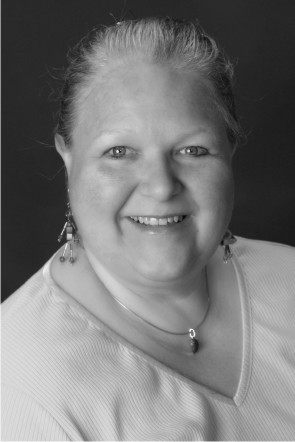
Bio: I am a Certified Genealogist and a member of the Daughters of the American Revolution. I believe that the hobby of genealogy is fun, exciting, and very satisfying. Through researching genealogy, you acquire new skills, meet new friends, and gain new respect for those who have gone before you. You may reach me via email at ‘getreganmail@gmail.com’ with questions or comments. I thoroughly enjoy the hobby and hope that you will too. Print your photographs of family, don’t just leave them in cyberspace. If you insist on leaving your family pictures in cyberspace, label them and mail them to your email or other locations. Label your photos with a first and last name, an approximate date, and a possible location if known. Please look for a new book from this author to be released soon. My readers will have a special opportunity to read it.
By Marjory Regan
